Experience Home Collections in as early as 45 minutes* when you book with us online. *Subject to slot availability
Experience Home Collections in as early as 45 minutes* when you book with us online. *Subject to slot availability



Tags
Paralysis
Paralysis is the loss of control or inability to move a part of the body. When there's an obstruction in signal transmission between the nerve cells and muscles, it can lead to temporary or permanent paralysis. Paralysis can lead to many problems like breathing, speaking, walking, and blood flow obstructions. When paralysis occurs, there is no sensation in the affected area.
Types of paralysis
Complete paralysis: When a person cannot control or move the paralyzed muscle at all.
Partial paralysis: A person still has some control in the affected area.
Localized paralysis: It affects just one specific body part such as the face, feet, hand, vocal cord, etc.
Generalized paralysis: A group of paralysis that is more widespread in the body and subcategorized by how much the body is affected.
- Monoplegia - Affects only one limb, either one arm or leg.
- Hemiplegia - Affects one side of the body, such as the arm and leg on the same side.
- Diplegia - Affects the same area on both sides of the body, such as both arms or both sides of the face.
- Paraplegia - Affects both legs or some part of the trunk
- Quadriplegia - Affects both legs and both arms
What causes paralysis
The most known cause of paralysis is stroke, usually from a blocked artery in the neck or brain. Paralysis can also be caused if there is any damage to the spinal cord, nerve, or junction between nerve and muscles. This can happen due to any injury or accident which prevents the ability to send and receive signals in the affected area causing loss of strength and movement.
Other potential causes of paralysis are:
- Traumatic brain injury
- Cerebral palsy
- Bacterial or viral infections
- Autoimmune disorders
- Multiple sclerosis
- Muscular dystrophy
- Inherited disorder
- Spinal tumors
Symptoms of paralysis
Symptoms of paralysis may vary depending upon the cause; however, they are easy to spot. A person with paralysis partially or completely is not able to move the affected area. At the same time, the person may encounter muscle stiffness and muscle cramps in that area. If the cause of paralysis is due to a medical condition, the person might lose muscle control and decreased feeling. Sometimes, a tingling or numbing sensation also sets in before total paralysis.
What are the complications related to paralysis?
Since paralysis can occur in any muscle in the body, it can affect many body functions. Some most common problems seen along with paralysis includes:
- Problems with blood flow
- Irregular breathing and heart-rate
- Changes in muscles, joints, and bones
- Skin injuries and pressure sores
- Blood clotting in limbs
- Loss of urine and bowel control
- Behavior and mood changes
- Problem in speaking and swallowing
Diagnosis approach for paralysis
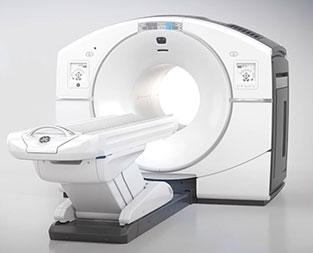
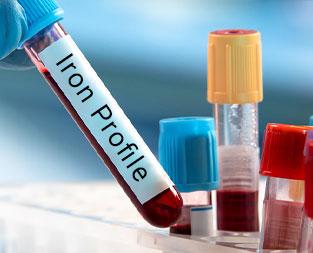
In paralysis, the main symptom is loss of muscle control; hence, this disease can easily be diagnosed. However, an essential part of diagnosing paralysis is determining its actual cause and visualizing the degree of paralysis in the internal body part. For the same, a doctor may suggest the following tests or scans:
Managing paralysis
In many cases, paralysis is not treatable. In few patients, there might be a return of sensation partially or fully. For example, spontaneous recovery occurs in most cases of Bell’s palsy (temporary facial paralysis). Therefore, treatment is important to prevent further worsening of paralysis. Rehabilitation is often recommended to address the problems resulting from the paralysis so that the paralyzed person can live independently with an improved quality of life. The most common rehabilitation treatments used for paralyzed people are:
- Physical therapy: Uses therapy such as heat, massage, or exercise to stimulate muscles and nerves.
- Occupational therapy: Focuses on the way to perform daily activities.
- Mobile aids: Such as wheelchair, braces, electric scooter, etc.
- Medications: Such as muscle relaxants
Sources:
https://www.healthline.com/health/paralysis
https://my.clevelandclinic.org/health/diseases/15345-paralysis
https://www.spinalcord.com/types-of-paralysis
Related Products
Trending Blogs

Migraine Headaches: Causes, Treatment & Symptoms
HOD launches the latest GE Discovery IQ PET-CT Scanner at Karkar



Neck Pain: Symptoms, Causes and Diagnosis